
Amazon “Potential High Pricing Error”: Why You Can’t Raise Prices in Q4
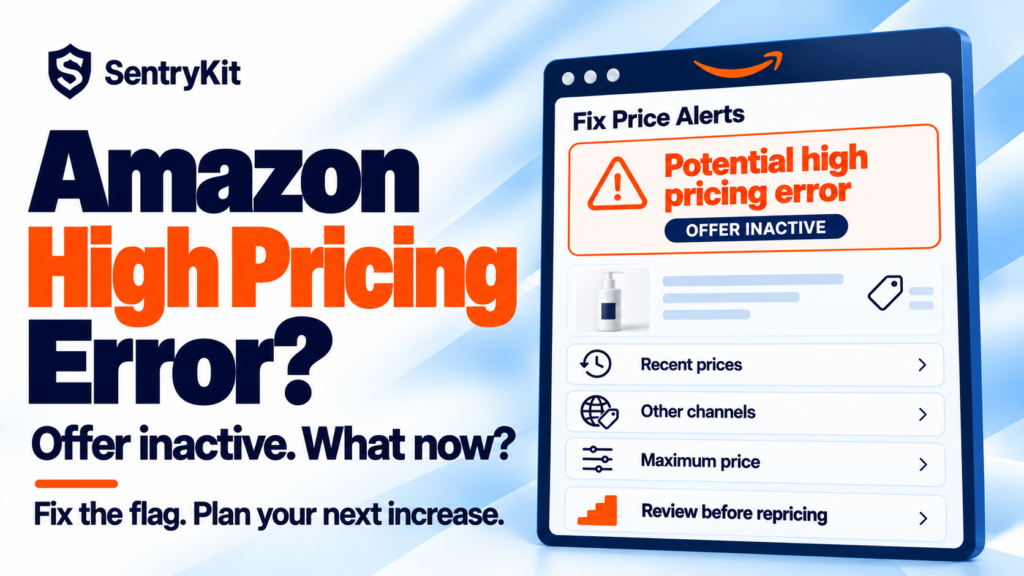
Listing deactivated for a potential high pricing error after raising prices for Q4? What Amazon compares against, how to fix it, and how to raise prices safely.
Amazon Changed Your Product Images? How to Check and Restore Them
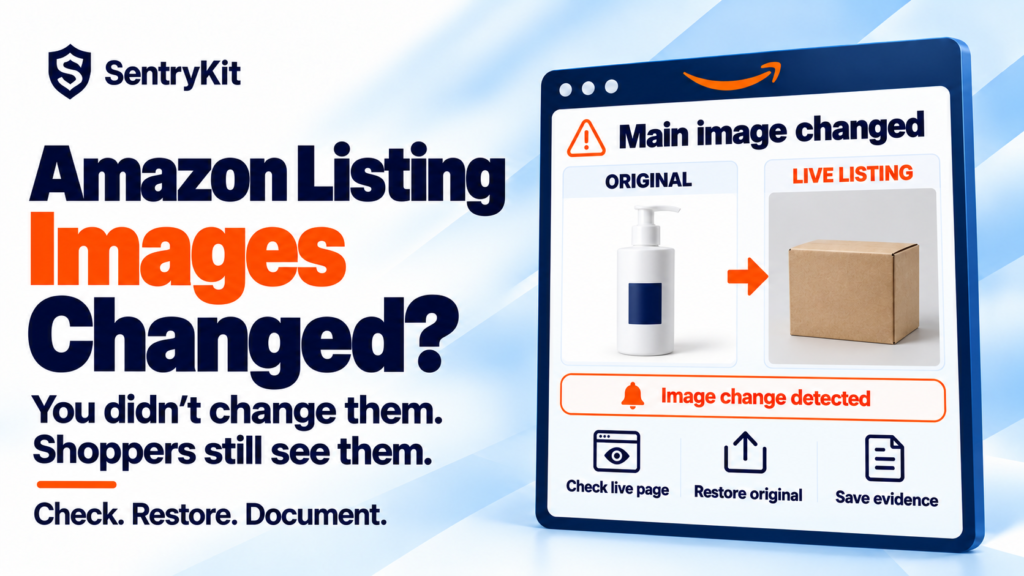
Amazon listing images changing on their own? What sellers saw on October 15, how to check every ASIN, and how to get your original images back.
Sudden 1-Star Reviews on Amazon? Check These 5 Things First
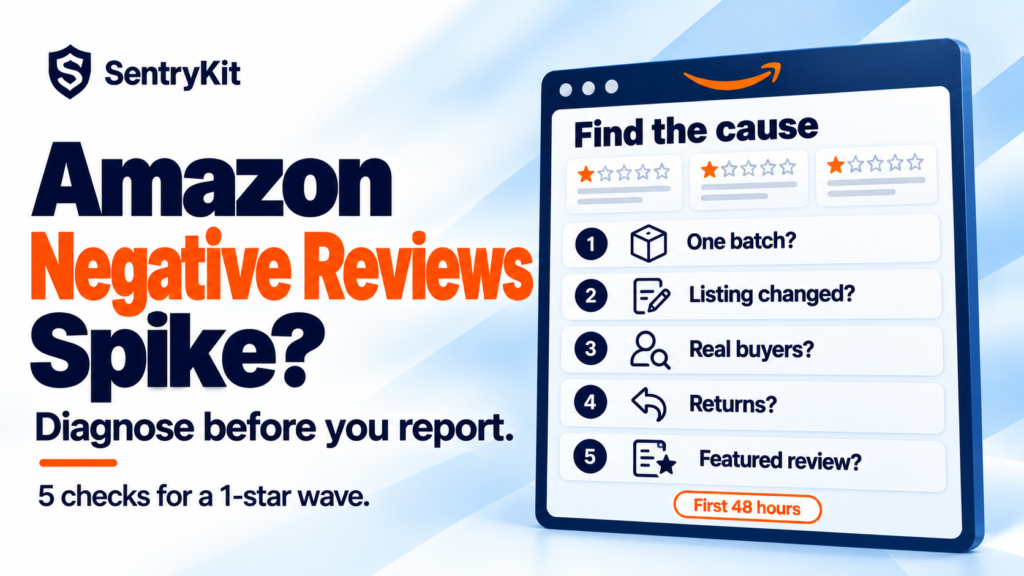
A wave of Amazon negative reviews is a bad batch, a listing change or bad-faith buyers. Five checks to tell which, and what to do in the first 48 hours.
How to Get Reviews on Amazon in 2026: Free, Vine or Paid?
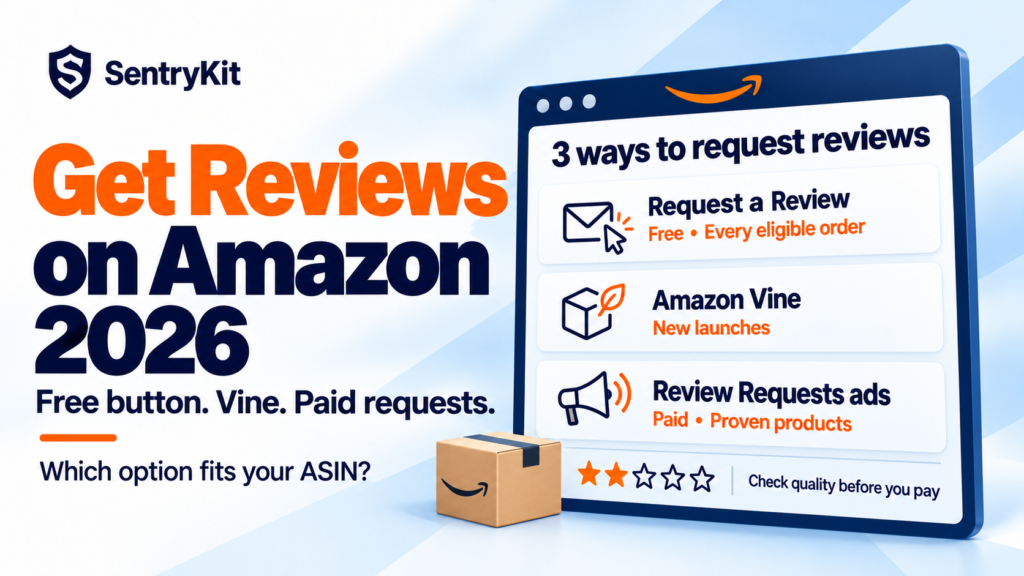
Three legitimate ways to get Amazon reviews in 2026: the free Request a Review button, Vine, and paid Review Requests ads. What each costs, and when to use which.
No Featured Offer on Your Own Amazon Listing? Why It Happens in Q4

You’re the only seller and Amazon still shows “See All Buying Options.” Why the Featured Offer disappears in Q4, how to tell which cause you have, and what to fix.
Amazon Peak Season 2026: The Fees and Deadlines That Hit This Week
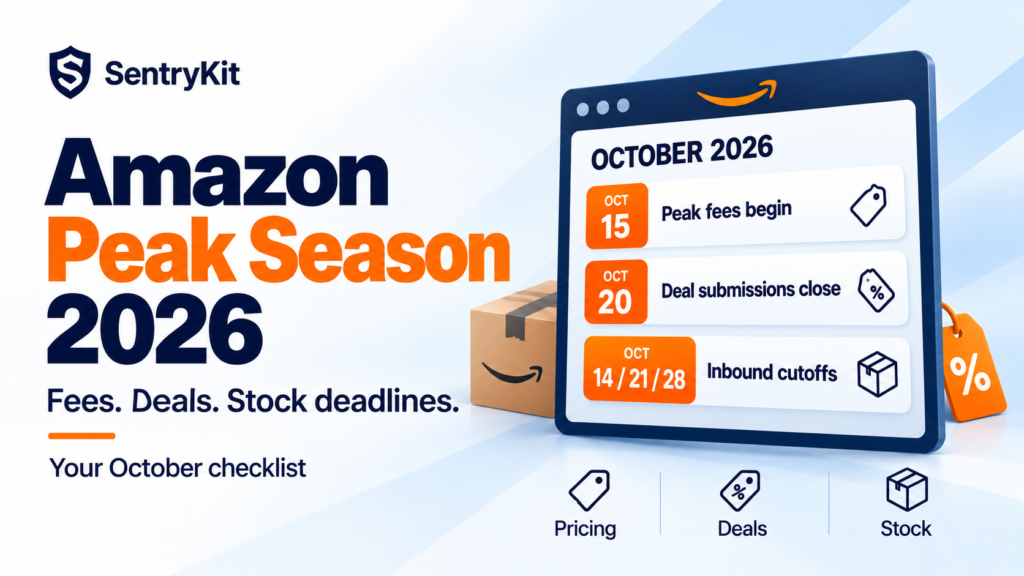
Amazon peak season 2026 starts October 15. Peak fees, the October 20 Black Friday deal deadline and the October 14/21/28 inbound cutoffs, and what each does to your margin.
Amazon Review Requests: What Sellers Are Actually Buying
Amazon Review Requests ads prompt verified buyers to rate your product. What’s confirmed, how billing may work, and how to handle the reviews that follow.
Prime Big Deal Days 2026: What Sellers Can Still Fix
Prime Big Deal Days 2026 runs October 6-7. Lightning Deal submissions are closed, but Prime Exclusive Discounts, coupons, stock and whether your offer is the one shoppers see are still in your hands.
Amazon’s New AI Agent for Sellers: What It Can (and Can’t) Do
Amazon added a Claude powered agent for sellers that fixes listings and flags stockouts. See what it covers, and the gaps still worth watching yourself.
Amazon Didn’t Add a New Violation Type — It Changed What Resellers Have to Prove
Sellers are calling it an unauthorized distribution violation. That category does not exist. What changed in 2026 is the evidence standard for resellers — and the gating that enforces it arrives with no notification, no violation record, and no clear way to appeal.