
Why a Buy Box Alert Inside Helium 10 or Jungle Scout Isn’t the Same as a Dedicated Monitor
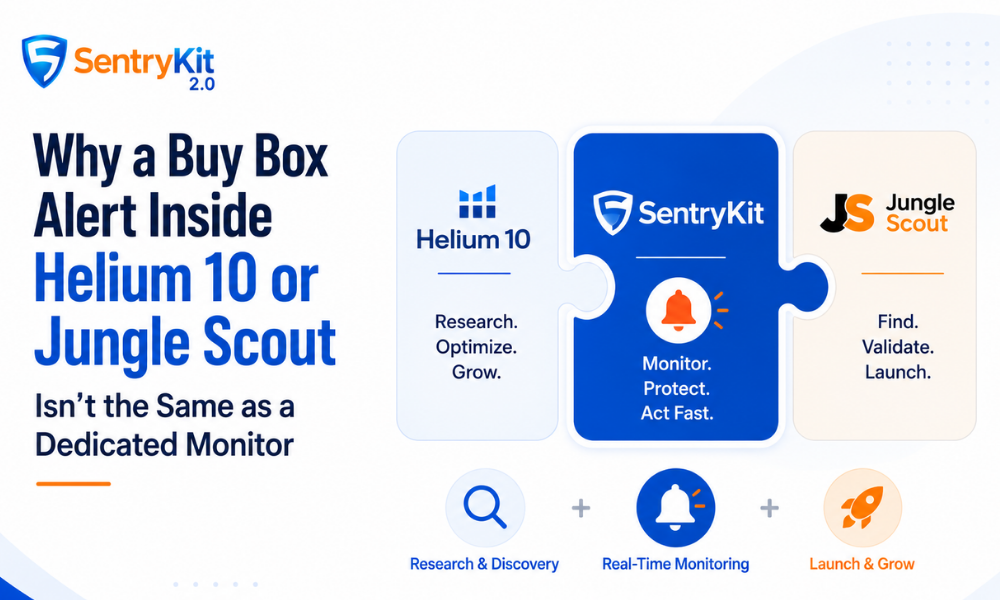
Helium 10’s Buy Box alert and a dedicated monitor are different products — by design. One is built for research; the other is built for protection. Here’s what that distinction means in practice, and why the 5-ASIN cap and 4-day update cadence are features, not bugs, of the tool Helium 10 actually is.
What a Hijacker Actually Costs You: The Revenue Math Behind a Buy Box Displacement Event
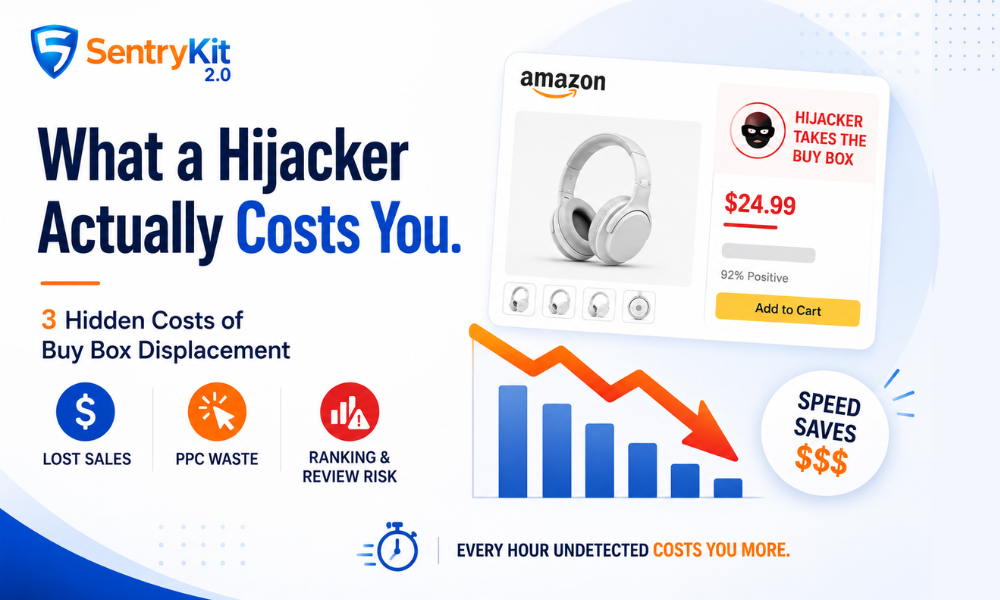
Most sellers only count lost sales when a hijacker hits. The real cost is 3–4x higher. Here’s the three-component formula — direct revenue loss, PPC waste, and ranking risk — that shows what a Buy Box displacement event actually costs you, and why detection speed is the only variable you control.
The Amazon Marketplace in 2026: 165,000 New Sellers, 800k+ Brands, and What Consolidation Means for You
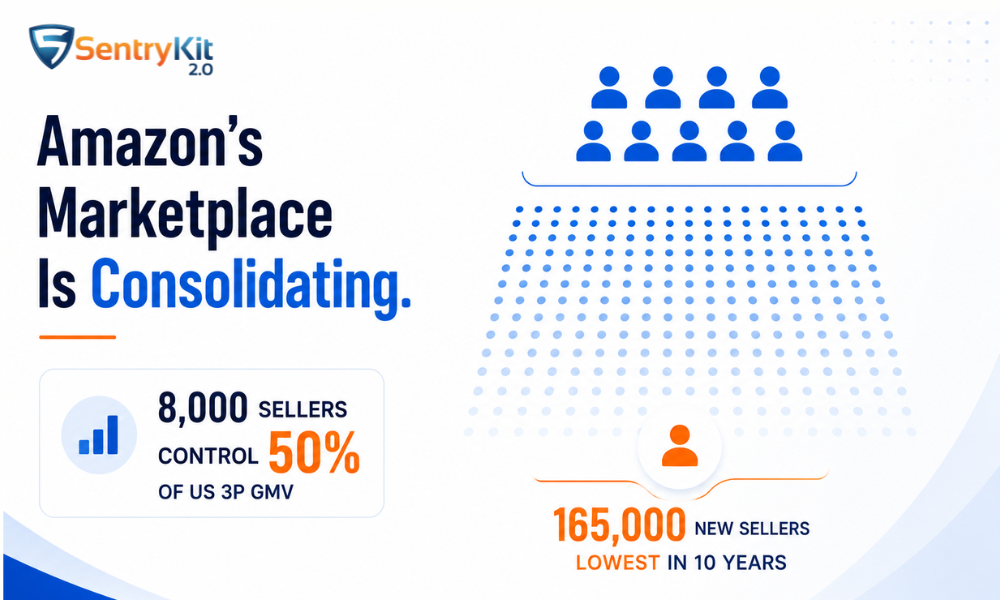
New seller registrations hit a decade low in 2025 — down 73% from the 2021 peak. Meanwhile, fewer than 8,000 sellers drive half of all US third-party GMV. The Amazon marketplace is hardening into two tiers, and the revenue concentration data tells you exactly what that means for how you need to operate.
Amazon Is Writing Your Title, Your Bullets, and Your Images. What’s Left That’s Actually Yours?
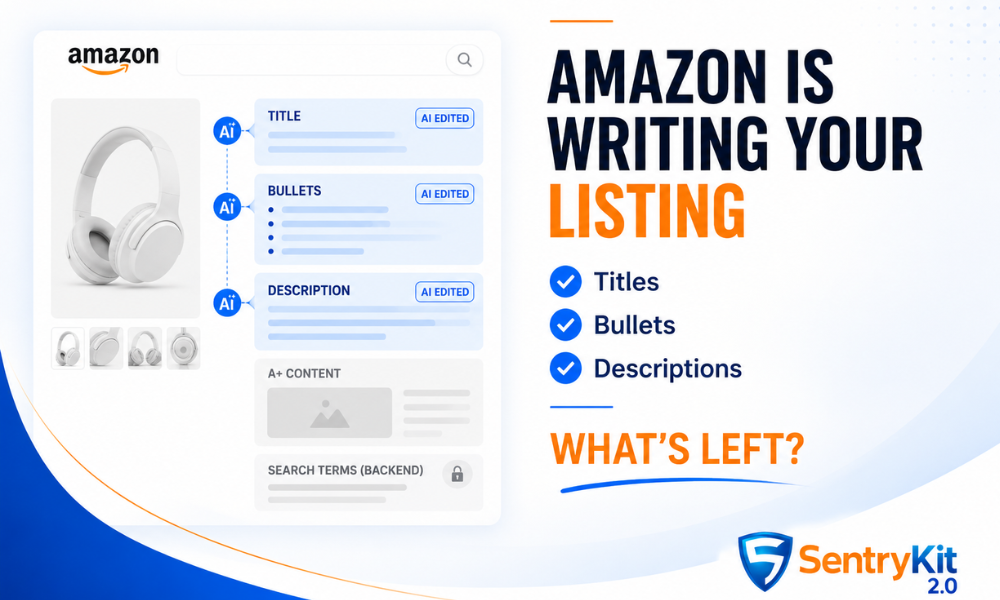
Amazon is systematically rewriting seller-controlled listing content — titles, bullets, images — through AI systems that act without seller approval. This is the thread connecting the July 27 title cap, Enhance My Listing, and Project Starfish. Here’s what Amazon can touch and what’s still yours.
Per-ASIN vs Order-Volume vs Suite Pricing: Why Monitoring Should Never Cost More as You Sell More
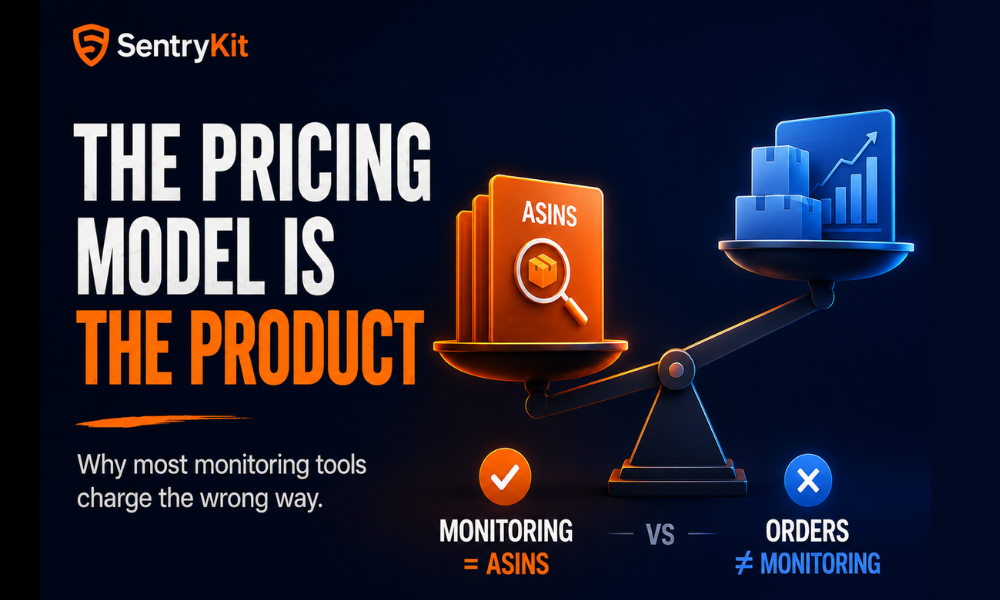
Three pricing axes dominate Amazon monitoring tools: per-ASIN, order-volume, and suite-tier. Only one maps to what monitoring actually does. Raghav Tiwari breaks down the difference — and why the pricing model a tool chooses tells you exactly what it thinks it’s selling.
Your Amazon Listing Can Change Overnight — and Amazon Won’t Always Tell You
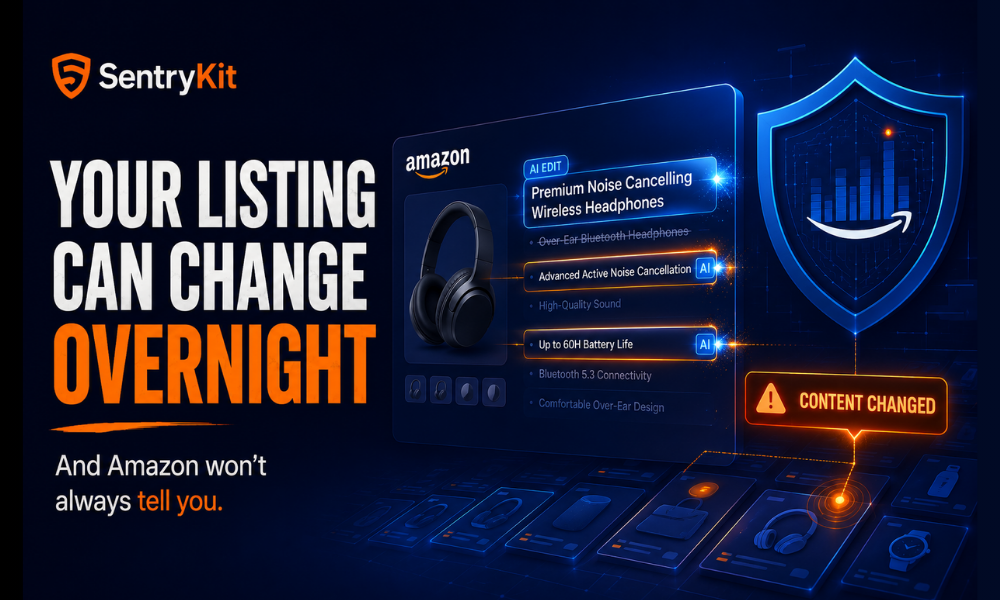
Amazon is now actively modifying listing content — through its official Enhance My Listing tool and, according to Seller Labs’ reporting on internal documents, a much larger reported initiative called Project Starfish. Here’s what brand sellers need to know, what’s confirmed, and how to protect your catalog.
Amazon’s Automated Pricing Rules: What They Actually Do to Your Buy Box
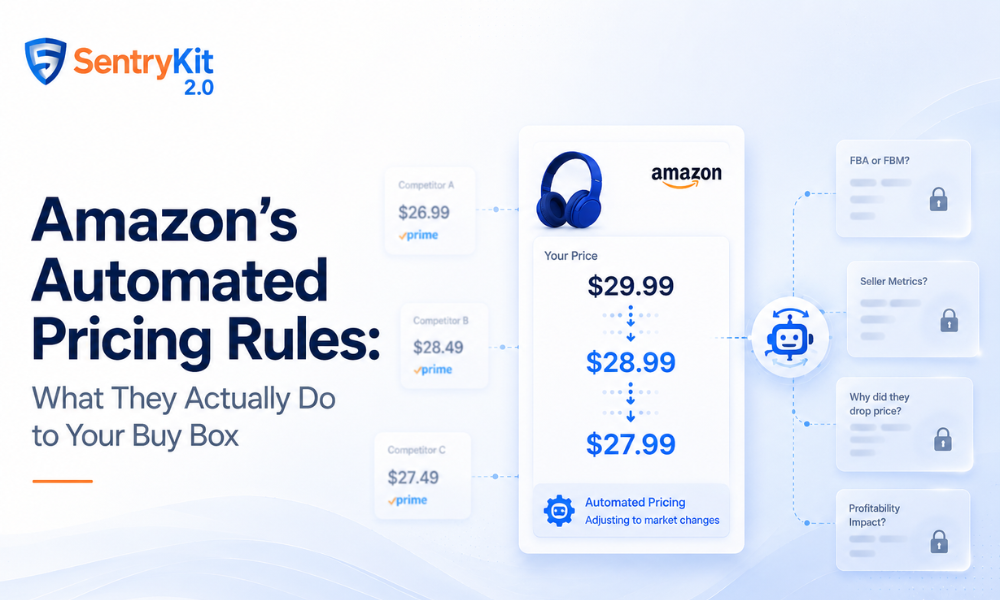
Amazon’s Automate Pricing tool has 4 rule types — most sellers only know 2. Here’s what each one does to your Buy Box, what the tool can’t see, and how to use it without flying blind.
Your Repricer Didn’t Go Rogue. You Just Couldn’t See What It Was Doing.
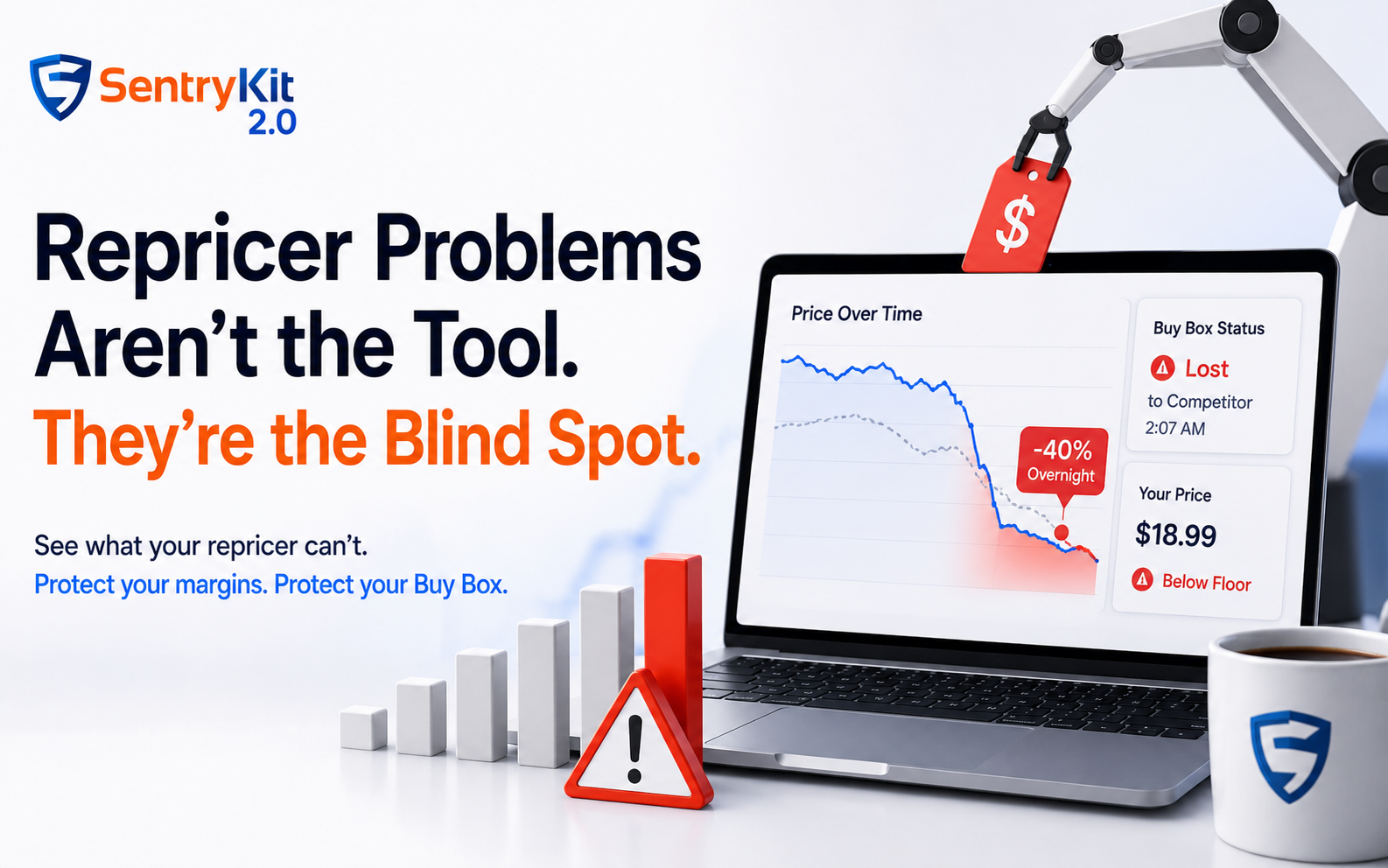
Every guide on BQool alternatives recommends another repricer. Here’s why that misses the real problem — and what Amazon’s new BSA Agent Policy just changed about automated pricing compliance for sellers.
The Amazon Ads MCP Is Real. Here’s What It Can’t See.

Amazon’s Ads MCP Server lets Claude run your campaigns in seconds. But AI agents still can’t see your Buy Box status, inventory risks, suppressed listings, or shrinking margins. Before handing over the keys to campaign automation, here’s what every Amazon seller should understand.
Fewer Than 8,000 Sellers Own Half of Amazon’s $300B. Here’s What Separates Them.
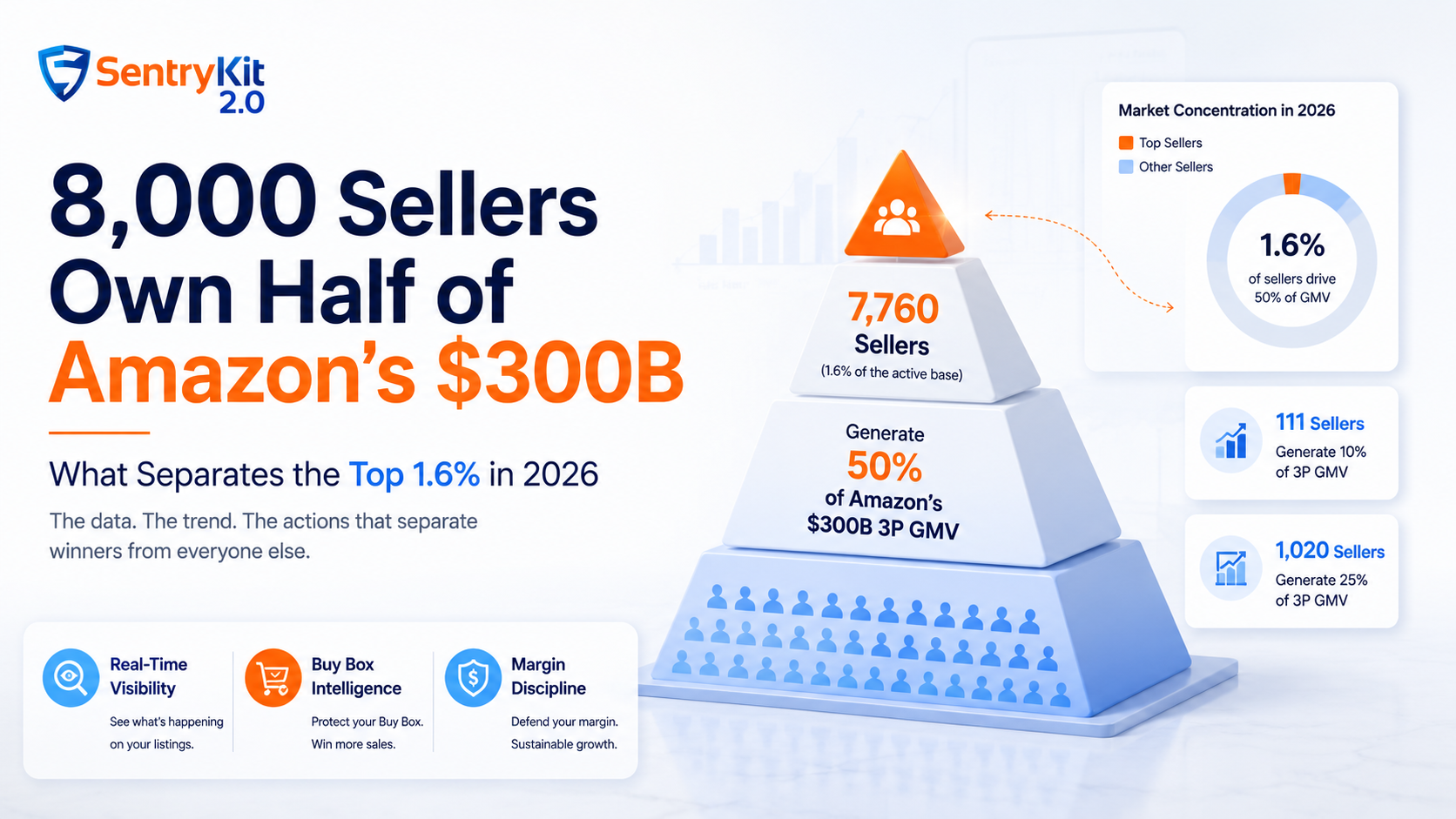
7,760 sellers — 1.6% of the active US base — now produce 50% of Amazon’s $300B third-party GMV. Three years ago that threshold required 15,000 sellers. Here’s what the survivors do differently, what’s pushing everyone else out, and what to do about it if you’re not yet in the top tier.